
Structural and Power Improvements for NextGen Effects (SPINE) para las Bell AH-1Z y UH-1Y
.jpg)
Adaptación. Integración. Dominio.
Structural and Power Improvements for NextGen Effects (SPINE) supone una mejora eléctrica significativa para los H-1, sirviendo de base para la capacidad de la Serie A. Los sensores, lanzadores y armas que se alimentarán e integrarán mediante la arquitectura SPINE permitirán una mayor interoperabilidad con los activos de Décima Generación en todo el campo de batalla.
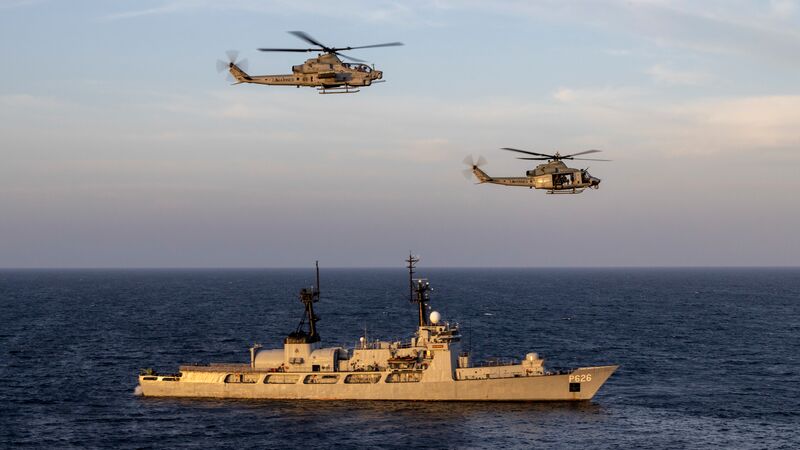
Equipar las Bell AH-1Z y el UH-1Y con SPINE garantizará que la flota H-1 mantenga su letalidad y supervivencia en el campo de batalla moderno.
Serie A

Sistemas de defensa mejorados

Interoperabilidad digital

Aumento de la potencia eléctrica de las aeronaves
Mayor letalidad y supervivencia para una fuerza conjunta más capaz
SPINE proporciona una modernización vital a los H-1 mediante una actualización de la energía eléctrica que transforma los subsistemas actuales de las aeronaves en una arquitectura eléctrica avanzada y escalable que apoya la rápida integración de tecnologías actuales y futuras, al tiempo que mejora las capacidades futuras de ataque de la flota y las misiones utilitarias.
SPINE es la puerta de entrada a la capacidad Serie A que proporciona la integración de sistemas de armas habilitados por red y enlaces de datos.
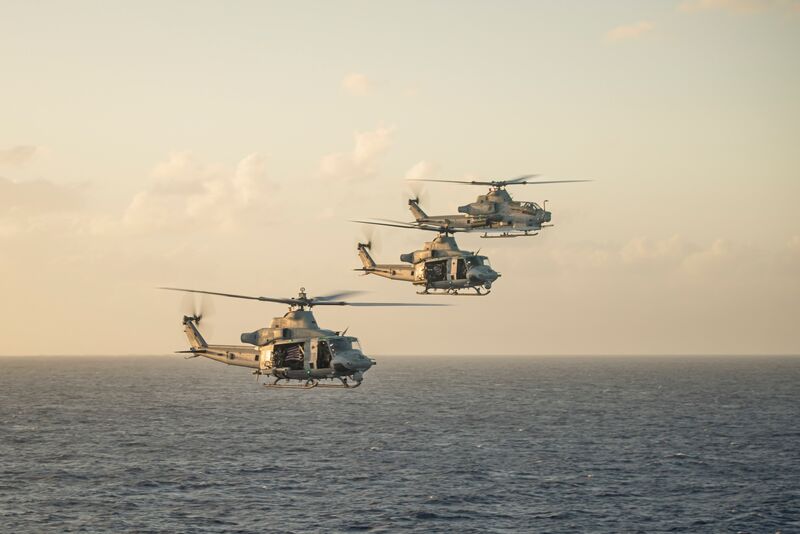
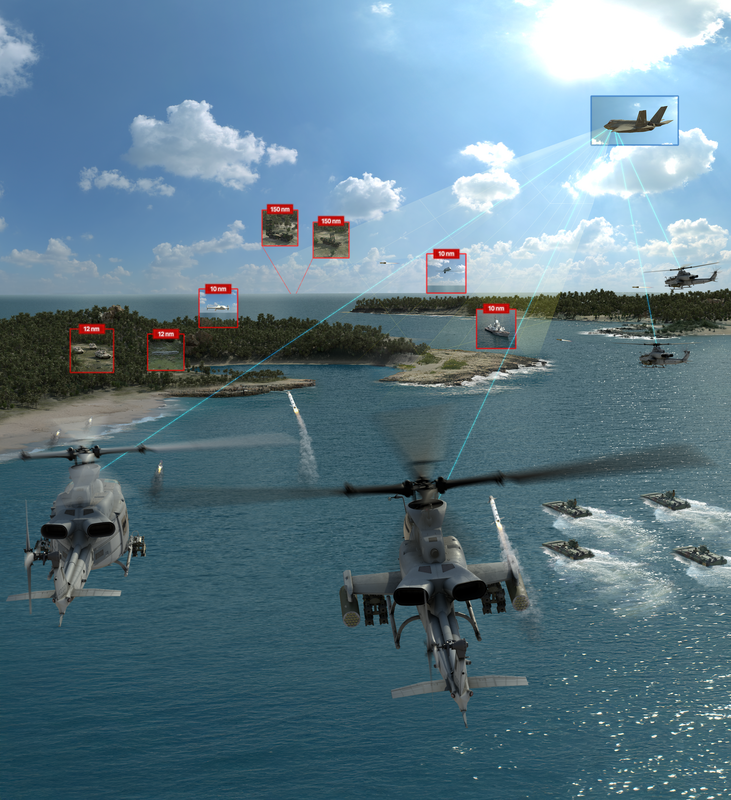
Aproximación combinada de armas Bell AH-1Z y UH-1Y
Equipados con sistemas defensivos más robustos, un avanzado bus de datos, Link 16 y armas habilitadas para redes de largo alcance, los Bell AH-1Z y UH-1Y de la Serie A operarán a altitudes y en entornos exclusivos de plataformas de ala rotatoria. Volando por debajo de las células de resolución radar, el Viper y el Venom serán indetectables para el radar enemigo mientras reciben ubicaciones de objetivos de los activos de ala fija de la Fuerza Conjunta que permanezcan fuera del alcance del misil enemigo.
Este enfoque combinado aprovechará las fortalezas tanto de las plataformas estadounidenses de ala rotatoria como de ala fija, permitiendo que los H-1 del USMC contribuyan a la lucha marítima y a la Fuerza Conjunta de formas previamente inaccesibles para los Comandantes Combatientes. El aumento de la letalidad y supervivencia de los Bell AH-1Z y UH-1Y proporcionará a la Fuerza Conjunta capacidades que nuestros adversarios encontrarán difíciles de contrarrestar.
Todas las marcas comerciales registradas son propiedad de sus respectivos dueños. La información que se incluye es de naturaleza general y puede variar según las condiciones. Las personas que usen esta información deben ejercer su juicio independiente al evaluar la selección de productos y determinar la idoneidad de un producto para su propósito y requisitos particulares. Para acceder a datos de rendimiento y limitaciones operativas para alguna misión específica, consultar el manual de vuelo aprobado. Bell Textron Inc. no ofrece ningún tipo de declaración ni garantía, ya sea expresa o implícita, incluso, entre otras, garantías de comerciabilidad o idoneidad para un fin en particular con respecto a la información aquí incluida o el/los producto(s) y servicio(s) a los que se refiere la información. Por consiguiente, Bell Textron Inc. no será responsable por daños (de ningún tipo o naturaleza, incluso daños incidentales, directos, indirectos o emergentes) que surgieran por el uso de o en función de esta información. Bell Textron Inc. se reserva el derecho de cambiar los diseños y especificaciones de productos sin aviso.
Es posible que los productos se muestren con equipos y mejoras opcionales.
La aparición de información visual del Departamento de Defensa de los Estados Unidos (DoD, en inglés) no implica ni constituye un aval del DoD. Créditos fotográficos: aviador de 1ª Clase Drew Cyburt, Skip Robinson, suboficial de 3ª clase Aaron Smith, especialista en comunicación de masas de 3ª clase Aaron T. Smith y cabo de primera Elias Pimentel