Llegamos a lo inalcanzable: las misiones de rescate de Life Flight Network
Índice
El Bell 407GXi y el Bell 429 otorgan a la Life Flight Network una ventaja estratégica en los servicios médicos de emergencia en helicóptero (HEMS) en todo el noroeste del Pacífico cuando los segundos cuentan, las distancias son vastas y las condiciones cambian constantemente.
Se conoce como la "hora de oro": esos minutos decisivos en los que la rapidez con la que se presta la atención de emergencia marca la diferencia. La vida pende de un hilo. Llegar por vía aérea supone una ventaja que puede salvar vidas. Las ambulancias aéreas en helicóptero, mini-salas de emergencia en el cielo, navegan por un mundo de distancias, terrenos y clima. Cualquiera de estos motivos podría provocar la cancelación de un vuelo: la distancia es excesiva, la zona de aterrizaje es demasiado peligrosa o las condiciones meteorológicas son demasiado adversas.
Podemos salvar esa distancia entre alguien que quizá no sobreviva en la próxima hora y alguien que ha sobrevivido porque lo hemos trasladado a un centro quirúrgico de referencia.
Joshua Schwartz
Paramédico de vuelo y gerente clínico, Life Flight Network
Life Flight Network, con sede en Aurora (Oregón), opera en condiciones extremas de distancia, terreno y clima. Impulsan el modelo de servicios médicos de emergencia en helicóptero (HEMS) en el noroeste del Pacífico. Aquí las distancias son enormes, las zonas de aterrizaje accidentadas y las condiciones de vuelo irregulares. Implica contar con una flota mixta de 27 Bell 407 y 5 Bell 429, helicópteros con sistemas de navegación avanzados, velocidad y potencia. Enfrentar las inclemencias meteorológicas lo exige. Y así es como lo hace Life Flight Network: profesionales médicos que prestan asistencia aérea con precisión y eficacia desde aeronaves Bell, siempre listos para responder a cualquier llamada:
Ampliamos el alcance de la atención
Fundado en 1978, Life Flight se ha convertido en el mayor programa de transporte médico aéreo sin fines de lucro de Estados Unidos.
Gran parte de la zona en la que presto servicio es, en realidad, una isla, por lo que, si no funciona el sistema de ferris, o algún tipo de barco, no hay forma de salir de la isla... nosotros podemos recogerlos y dejarlos en atención definitiva en menos de 30 minutos. Eso es algo muy importante.
Andrea Leighty
Enfermera de vuelo y gerente clínica, Life Flight Network
El Bell 429: Potencia esencial para Puget Sound
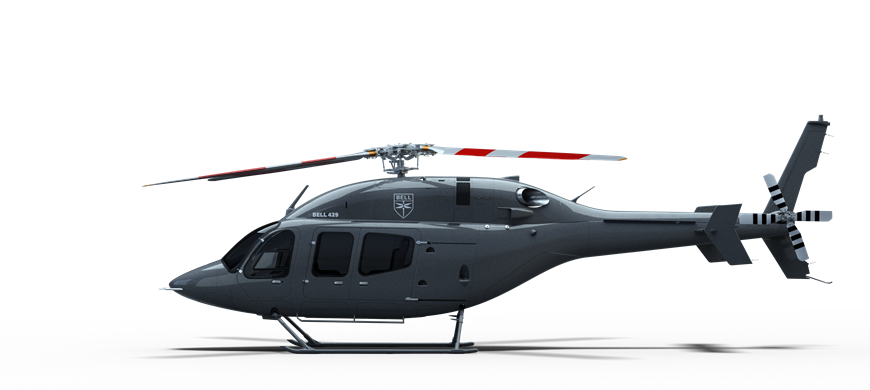
En el oeste del estado de Washington, la potencia de su bimotor e IFR, o capacidad para volar según las normas de vuelo por instrumentos, del helicóptero Bell 429 son esenciales para llevar atención de emergencia a Puget Sound. Se trata de un extenso archipiélago de bosques, ensenadas y agua. Aquí, en estas islas, también vive gente, y a veces se enferman o lastiman. Un Bell 429 reduce la distancia y gana tiempo que salva vidas, en un lugar donde los ferris pueden tardar horas. Y si el techo se reduce y las condiciones meteorológicas se vuelven adversas, como suele ocurrir, el Bell 429 equipado con IFR sigue volando. Pero hay algo más en el Bell 429 y su tripulación especializada que amplía el alcance del servicio de salvamento del equipo de Life Flight.
Dominar el IFR para una seguridad máxima
El equipo de Life Flight Network ha desarrollado rutas de vuelo, aproximaciones y procedimientos IFR a baja altura exclusivos para sobrevolar las zonas intermontanas y la complicada región de Puget Sound. Las rutas IFR no solo garantizan la máxima seguridad de las operaciones, sino que amplían el alcance y aumentan la eficiencia operativa de la flota Life Flight.Contamos con rutas IFR a baja altitud hacia determinados destinos a los que no podríamos llegar debido a las condiciones meteorológicas, lo que nos permite atender a aquellos pacientes que se encuentran en situaciones de emergencia en las que cada minuto cuenta.
Lora York
Responsable de área comercial y enfermera de vuelo, Life Flight Network
Las rutas IFR permiten a Life Flight Network mantener operaciones incluso en condiciones meteorológicas difíciles, asegurando que los pacientes reciban atención oportuna. La capacidad de volar según las normas IFR mejora considerablemente la rapidez y la fiabilidad de las misiones en esta región tan complicada.


Comodidad para el personal sanitario en un helicóptero de 8 plazas
Las avanzadas capacidades IFR del Bell 429 y las rutas IFR a baja altura exclusivas suponen un gran avance para Life Flight Network. Permiten operaciones seguras y fiables en el entorno siempre cambiante del noroeste del Pacífico, con niebla costera y condiciones meteorológicas adversas sobre terrenos montañosos. Este alcance ampliado, junto con una mayor seguridad y fiabilidad operativa, hacen del Bell 429 un recurso fundamental para ofrecer cuidados que salvan vidas cuando cada segundo cuenta.
El Bell 429 destaca por su velocidad y maniobrabilidad en condiciones meteorológicas adversas. También es muy valorado por los profesionales de servicios médicos de emergencia en helicóptero (HEMS) por su amplio espacio interior, inspirado en la estructura de un helicóptero de 8 plazas, lo que garantiza la comodidad del personal sanitario y los pacientes, así como la capacidad para transportar todo el equipo de soporte vital necesario.
Como médico, me siento muy afortunado. Mi silla incluso gira. Es increíble. Y así puedo estar más cerca de mi paciente. No tengo más que cosas maravillosas que decir sobre el 429.
Lora York
Responsable de área comercial y enfermera de vuelo, Life Flight Network
El Bell 407GXi: versatilidad en las altas cumbres
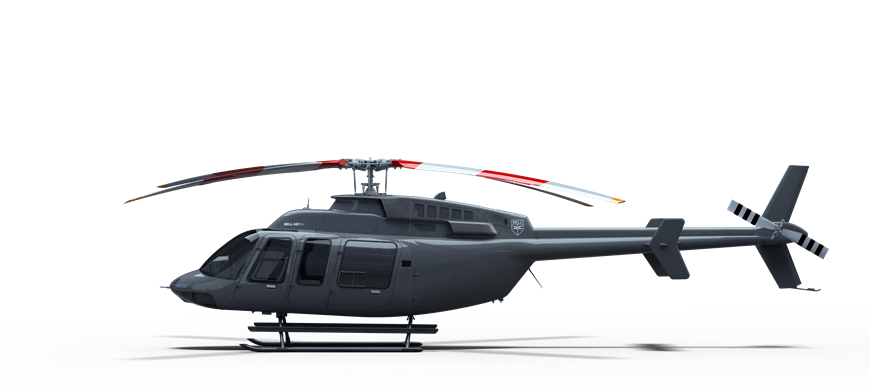
Para Life Flight Network, cuya amplia zona de cobertura se extiende por terrenos difíciles, el Bell 407GXi ha demostrado su potencia y versatilidad. En primer lugar, su sistema de rotor principal, ágil pero potente, permite un manejo intuitivo en cualquier tipo de terreno. Al entrar en la cabina, hay un piloto automático de tres ejes y un conjunto Garmin G1000NXi con visión sintética y capacidad de mapa móvil, cruciales para la alerta situacional del piloto en condiciones menos que ideales.
Un sistema de alerta y reconocimiento del terreno para helicóptero (HTAWS) es una tecnología diseñada para ayudar al piloto cuando las condiciones meteorológicas empeoran, lo que contribuye a evitar la entrada involuntaria en condiciones meteorológicas de vuelo por instrumentos (IMC). Se trata de sistemas fundamentales para Life Flight Network, que puede volar en condiciones meteorológicas límite, ya que el tiempo cambia rápidamente en esta zona del oeste de Estados Unidos.
Tener esa capacidad, la velocidad y el alcance del 407, hace un trabajo fantástico para llegar a estas comunidades periféricas.
Scott MacKenzie
Piloto jefe adjunto, Life Flight Network


Potencia y fiabilidad en entornos con altas temperaturas
El Bell 407 es una aeronave confiable, capaz de hacer frente a las exigentes condiciones del noroeste del Pacífico. Su potencia y rendimiento le permiten operar eficazmente en entornos de gran altitud y altas temperaturas, lo que lo hace ideal para misiones en terrenos montañosos y zonas de aterrizaje estrechas. Su versatilidad lo convierte en un helicóptero de carga ligera muy eficaz para transportar material médico esencial.
El 407 tiene la potencia necesaria para despegar de esas zonas con altas temperaturas que encontramos por todo el noroeste del Pacífico.
Karl Wellfare
Piloto jefe de helicópteros, Life Flight Network
El sistema de rotores ofrece un manejo intuitivo y una respuesta rápida, lo que hace que parezca una extensión de las manos del piloto. Esta precisión es fundamental para navegar esas zonas de aterrizaje estrechas y en entornos difíciles. Es suave y estable, lo que permite a los pilotos centrarse en la misión sin que la aeronave los distraiga.
El Bell 407 es adaptable, preparado para afrontar una variedad de misiones, incluyendo transporte neonatal, respuesta a traumas y rescates a gran altitud. Su capacidad de carga útil y rendimiento del combustible le permiten realizar misiones de larga distancia sin dejar de transportar el equipo y la tripulación necesarios.
Confianza a través de la Academia de Entrenamiento Bell
Pero el 407 solo es tan bueno como el piloto que lo maneja. Y con la ayuda de la Academia de Entrenamiento Bell, los nuevos pilotos del 407 comprenden sus capacidades, incluyendo técnicas avanzadas de autorrotación. Este entrenamiento genera confianza y permite que los pilotos estén preparados para cualquier emergencia. La fiabilidad y el rendimiento del Bell 407 brindan tranquilidad a los pilotos.
El entrenamiento de autorrotación que realicé en el 407 fue la mejor experiencia de vuelo que he tenido. Me hizo crecer más de lo que esperaba.
Karl Wellfare
Piloto jefe de helicópteros, Life Flight Network
Bell 407: Cuidados avanzados cuando cada segundo cuenta
Mientras que el Bell 429 surca los cielos del oeste de Washington, sorteando las dificultades del estrecho de Puget bajo la lluvia o la niebla, los Bell 407 de Life Flight recorren grandes distancias por las zonas montañosas. La población es escasa en este terreno árido. Los servicios médicos son básicos. O incluso inexistentes. Por eso, la versatilidad del Bell 407 ofrece una atención de vanguardia en lugares donde el tiempo hasta el hospital más cercano se mide en horas, y no en minutos, si se viaja por tierra.
Es el Bell 407, que hace honor a su reputación como auténtico "deportivo de los cielos". Pero el Bell 407 de Life Flight ofrece algo más, y atiende a los pacientes más pequeños en sus momentos más críticos:
Vocación para responder a la llamada
La vida en los servicios médicos de emergencia en helicóptero (HEMS) gira en torno a llamadas: esperar la siguiente, prepararse, arrancar y despegar. Y es una vocación. Ser piloto, médico, técnico de mantenimiento: son trabajos con jornadas de 12 horas y nunca se sabe dónde vamos a aterrizar. Pero la tripulación de Life Flight Network vive para esto.
En la región del Inland Northwest, ese desierto de altitud situado entre Seattle y Spokane, hay ocasiones en las que Life Flight tiene media docena de helicópteros Bell 407 en el aire. Algunos pueden estar en intervenciones de emergencia, en las que un campo o una carretera se convierten en una zona de aterrizaje improvisada. Otros están trasladando a pacientes de zonas periféricas, desde hospitales más pequeños a otros más grandes en Spokane, donde reciben un nivel de atención superior. Los helipuertos del Providence Sacred Heart y del Deaconess están a rebosar. Todo gracias al equipo de Life Flight Network, que acudió a la llamada.
No estamos aquí para ser héroes. Nuestra misión es trasladar de forma segura y eficaz a la tripulación y a la atención médica a las personas que nos necesitan.
Karl Wellfare
Piloto jefe de helicópteros, Life Flight Network


¿Quiere más información de Bell?
Reciba novedades exclusivas, videos y noticias sobre aeronaves Bell antes que cualquiera. Únase al futuro de la elevación vertical, hoy.