Por qué son importantes las configuraciones orientadas a la misión para los helicópteros de seguridad pública
Índice
Cuando se trata de seguridad pública aérea, no hay una talla para todos. Los helicópteros utilizados para misiones policiales, de bomberos, búsqueda y rescate (SAR) y médicas están configurados de forma única para satisfacer las necesidades específicas de los operadores y las comunidades a las que sirven. A diferencia de la industria principal de helicópteros, los helicópteros de seguridad pública están adaptados a su misión, su tripulación y su entorno. Esta personalización es fundamental, no solo para el éxito operativo, sino para salvar vidas y proteger propiedades.
Por qué importan las configuraciones de misión
La eficacia de los helicópteros de seguridad pública radica en su perspectiva aérea, tripulaciones altamente entrenadas y equipos especializados de misión. Pero aquí está el problema: no existe una configuración "estándar" para estos aviones. La misión de cada operador es única, influenciada por factores como el tamaño de la jurisdicción, la demografía y la frecuencia de las misiones. Por ejemplo, un helicóptero de la policía municipal podría priorizar patrullas rutinarias con cámaras de alta definición y mayor autonomía en la estación, mientras que una agencia estatal podría centrarse en misiones de búsqueda y rescate o de extinción de incendios con necesidades de equipamiento completamente diferentes.
La complejidad de la personalización
Personalizar un helicóptero no consiste solo en añadir equipo, sino en equilibrar prioridades. Los operadores deben definir su misión principal y sopesarla frente a las misiones secundarias. Por ejemplo, un operador enfocado en patrullas podría necesitar una cámara infrarroja de alto rendimiento para leer matrículas a kilómetros de distancia, pero añadir esta capacidad aumenta el peso, lo que afecta a alcance, autonomía y rendimiento en vuelo estacionario. De manera similar, un operador de transporte médico podría priorizar el espacio en la cabina para los pacientes frente a sistemas avanzados de imagen.
Consideraciones clave para configuraciones orientadas a la misión
Define la misión
¿Cuál es la misión principal? ¿Con qué frecuencia se realizan misiones secundarias? ¿Qué equipo es esencial y qué es opcional? Estas preguntas son la base de una personalización efectiva.
El peso importa
Cada pieza de equipo añade peso, lo que afecta al rendimiento en todas las misiones. Los operadores deben evaluar cuidadosamente los compromisos entre capacidad y rendimiento de la aeronave.
Presupuesto y política
La personalización debe estar alineada con las realidades financieras y los paisajes políticos. Los operadores deben justificar los costes y planificar las necesidades futuras de la misión, ya que los helicópteros suelen ser reemplazados solo cada 10 años o más.
Opciones OEM
Los fabricantes de helicópteros desempeñan un papel fundamental en la personalización. Los operadores se benefician de OEMs que ofrecen opciones de equipamiento flexibles, permitiéndoles definir su misión en lugar de que sea dictada por el fabricante.


Áreas de configuración comunes
Comunicaciones
Las radios tácticas son esenciales para la coordinación con las fuerzas terrestres, los centros de mando y las agencias vecinas. El cifrado, las capacidades multibanda y la integración con otros sistemas como teléfonos satelitales son consideraciones clave.
Sistemas de imagen
Las cámaras infrarrojas y electro-ópticas son vitales para misiones de vigilancia y búsqueda. Los operadores deben equilibrar resolución, alcance y peso al considerar la integración con ordenadores de misión y sistemas de enlace descendente.
Iluminación
Los reflectores con funciones avanzadas como la geosincronización y el esclavo de cámara mejoran las operaciones nocturnas. La compatibilidad con NVG también es fundamental para las agencias que usan gafas de visión nocturna.
Equipamiento adicional
Polipastos, ganchos de carga, botiquines médicos, tanques de supresión de agua y sistemas de cuerda rápida son solo algunas de las opciones que se pueden adaptar a las necesidades específicas de la misión.
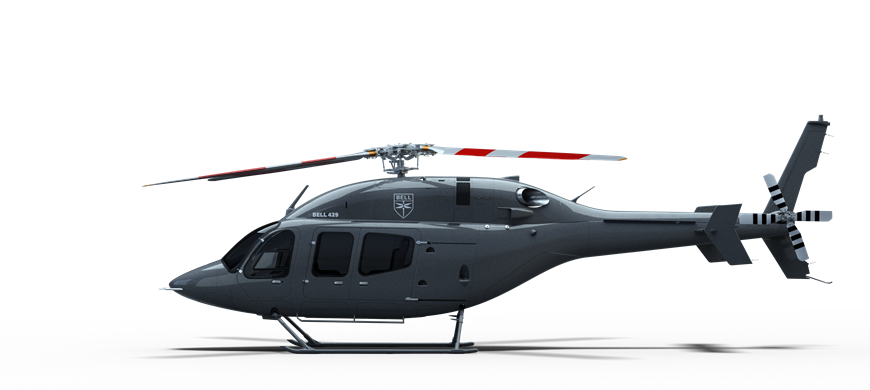
Escucha a la Policía Nacional Sueca sobre su funcionamiento y configuración de su flota de Bell 429: TFOs y pilotos en el Bell 429.
La conclusión
Personalizar los helicópteros de seguridad pública es un proceso complejo pero esencial. Comienza con una misión bien definida, tiene en cuenta las limitaciones presupuestarias y prioriza la gestión del peso. El objetivo es crear un helicóptero que satisfaga las necesidades únicas del operador, manteniendo al mismo tiempo la flexibilidad para adaptarse a los retos futuros. Con el enfoque adecuado, los helicópteros de seguridad pública se convierten en herramientas poderosas para proteger vidas y propiedades. Para explorar nuestro documento completo sobre consideraciones de configuración, visite el White-paper Inicio de una Unidad de Aviación Policial.


¿Quiere más información de Bell?
Reciba novedades exclusivas, videos y noticias sobre aeronaves Bell antes que cualquiera. Únase al futuro de la elevación vertical, hoy.